Vivo X80 Pro review

The Vivo X80 Pro, although not a pro, comes equipped with great camera and features, but is still not in the premium category
What we understand by pro has become so convoluted in tech jargon that everything has just become pro. Any flagship comes with a pro suffix attached, whether it justifies the features or not. And, over the last five or so years, it has become one of the most overused terms. Vivo, like many others, does not do justice to the pro name with its new iteration the X80 pro. The phone does come equipped with more feature than its other categories, but it does not justify the pro tag. But then what you and I understand as pro, can be very subjective.

  • Design

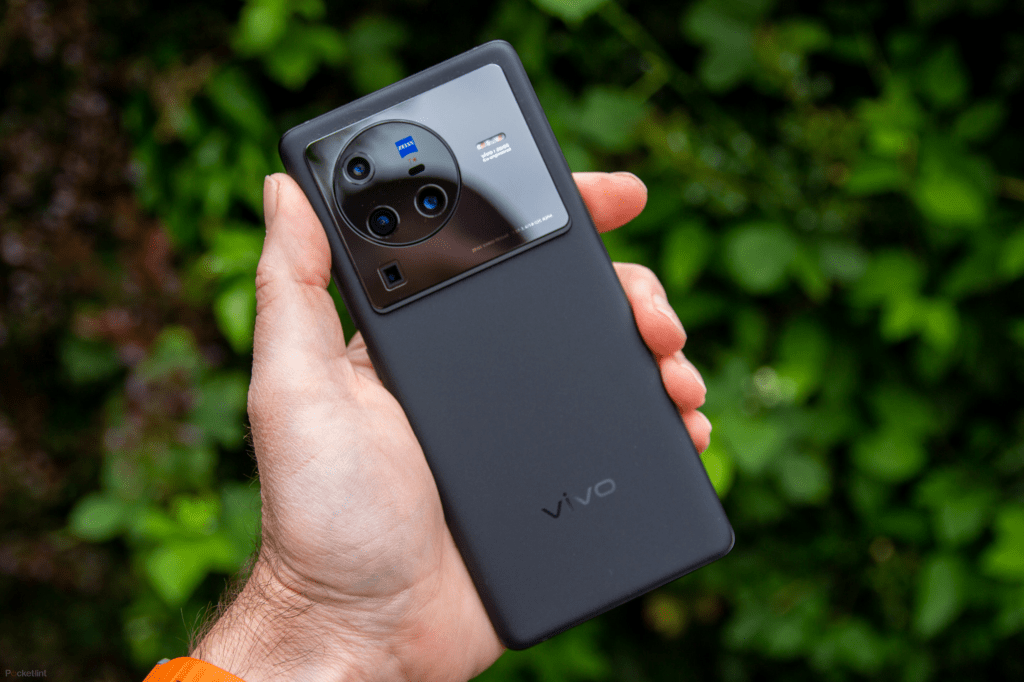
The first thing which will attract a person towards this device is the camera bump. Occupying nearly a third of the space, the phone has a distinct look to it. The feel of the back panel is good, and the back cover with its textured finish gives it a premium look. Though a bit wobbly, the phone doesn’t skid on surfaces. The volume and power buttons on the side are just about right for easy access and the front has a hole-punch camera. Ergonomically, though, there are problems. The phone weighs too much and isn’t as well balanced as you would like to be.

ALSO READ : Vivo tws 2 anc earbuds review

  • Screen

This is where Vivo has really outdone itself. With peak brightness at 1,500 nits, Vivo doesn’t disappoint. The 6.8-inch screen offers excellent viewing angles and perfect blacks. Even in the sun, the screen performs well. And, in low light modes, it shines. For movie watching, Vivo would have been ideal, had it not been for its weight. The refresh rate, though 120Hz, was not as smooth as you would expect in a Samsung. The curve edges are also something I am not a big fan of.

The bezels are barely noticeable and like with most phones the hole-punch camera becomes invisible after a while. One problem, which has been very common across platforms, was the night light feature. Even with warm temperatures, it was very luminescent for my comfort.

  • Camera

Another area where Vivo has done exceedingly well is the camera setup. With high pixel density lenses at the back and the 32-MP lens at the front, the camera setup is one of the best in the category. The telephoto lens worked well and there were hardly any issues with pixelations. Vivo provides a few standard beautification modes, which when switched off provide a vivid and clear picture. The colours are as close to likeness as possible and with Zeiss mode on, the phone performs even better with clearer colours. The video recording feature is still not as good as others in the category. The cinematic mode offered more, but still fell short of expectation.

  • Battery life

The 4700mAh battery provided enough juice for the phone to survive over 14 hours even with medium to heavy use and GPS, but it was not a two-day battery life one would expect. With light and medium use the battery can run 18 hours, but that would be too much of a stretch. But the battery drain was not as bad as other Snapdragon 8 Gen 1 processors.

  • Performance and UX

Vivo has been able to solve the heating issues related with the Snapdragon chips to a certain extent. The phone does start heating up after 45 minutes of gameplay. Regular functions, though, did not subject it to heating issues. Performance wise, the phone was not up to the mark. The bloatware was a big problem. Despite the 12 GB RAM and extra clocking speed, the phone did not perform well at its peak. The OS is complicated and not an easy one to navigate. Vivo needs better OS at top of the line up.

  • Price

Imagine purchasing a Rs 80,000 phone and spending a day deleting all the apps you do not need and then having to deal with too much of native apps. When a person is paying that much, they would like a clean interface and that is what Vivo has not been able to provide. To break the premium market, it would need a strong key differentiator.

Vivo TWS 2 ANC earbuds review

The only thing the Vivo TWS 2 ANC have going for them is the battery life and nothing else. Sound signatures are disappointing

There has been a flood of wireless earphones in the market. All the major brands have been launching their earbuds and making a foray into the space. Although Vivo had introduced their buds two years ago, they have recently launched a new iteration with ANC feature. The TWS 2 ANC are not the only ones with active noise cancellation, they are tracking to create a niche in the market, which has few players.

ALSO READ – Micromax in 2c review

  • Design

The company has kept to the design, with a few changes. The Apple-like plasticky-end has given way for buds which are replaceable and more customisable. The feature does help with better fit, but the buds are still bulky in design and too visible for my taste. The box has the same curvy edges. Although one would have liked to see a sleeker design, even at this size it does not seem too much of a burden. The plastic feel is better than competitors certainly.

  • Sound

Given the price range, the Vivo buds are a disappointment in this category. The sound signatures were poor across when compared to others. The volume levels were low. At highs, there is a lot of throttling, and the lows are not audible at all. I could not hear the starting of Kygo’s “Firestone”. The bass was very low. In mid-frequencies, the earphones performed better. The ANC did create a vacuum but did not work as well as you would expect the ANC to work. There was a lot of pass-through. The mic’s weren’t as good either, as there was a lot of ambient noise that they captured.

  • Connectivity and battery

The Bluetooth range is not an issue, but even with Vivo phones there was a lag in connectivity. The earphones would falter often, not connecting to the phone immediately. The earphones would work well for 4-5 hours, but wearability is an issue. The company promises over a day’s battery life, but the actual situation may be much lower.

  • Price

At Rs 5,999, Vivo TWC ANC 2 are a tad bit expensive for what they bring to the table. Vivo is still far from perfection when it comes to developing the perfect buds.

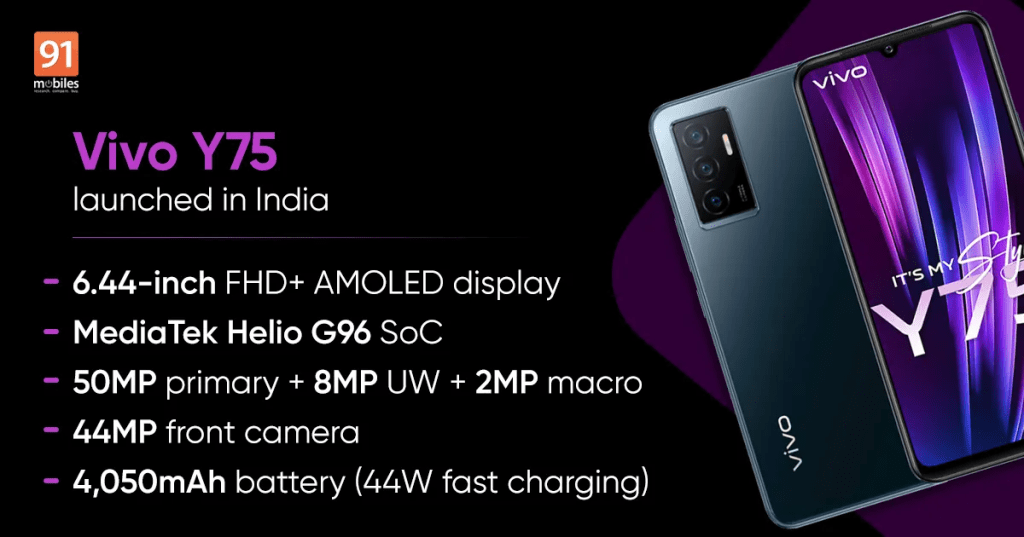
Vivo Y75 4G launched in india with MediaTek Helio G96 chipset, 44 MP selfie cam

The new Y75 comes with a 6.44-inch 1080×2400 AMOLED screen with a 60 Hz refresh rate, the MediaTek Helio G96 SoC at the helm, and 8GB of RAM, 128 GB of expandable storage

After earlier announcing the Vivo Y75 5G officially, the company has finally also unveiled the 4G variant of the Android smartphone.

  • Vivo Y75 price in India, availability

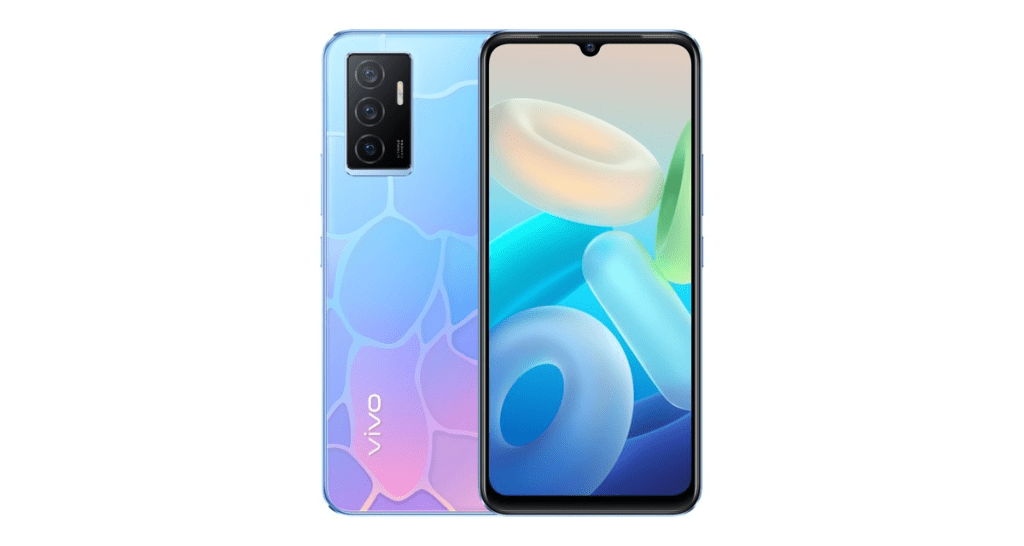
The price of Vivo Y75 in India has been set at Rs. 20,999 for the sole 8GB RAM + 128GB storage variant. The phone comes in Dancing Waves and Moonlight Shadow colors and is now available for purchase through Flipkart, Vivo E-Store as well as offline retail stores.

Customers purchasing the smartphone using cards of ICICI, SBI, IDFC First Bank and OneCard can avail up to Rs. 1,500 discount as well.

  • Vivo Y75 specifications

The dual-SIM (Nano) Vivo Y75 runs on Funtouch OS 12, based on Android 11. The smartphone sports a 6.44 inch full-HD+ (1,080×2,400 pixels) AMOLED display. The Vivo Y-series phone is powered by a MediaTek Helio G96 4G SoC under the hood, paired with 8GB of RAM. The RAM can be extended up to 4GB using the additional inbuilt storage.

For optics, there is a triple rear camera setup along with a rear flash. The camera unit houses a 50-megapixel primary sensor with an f/1.8 aperture, an 8-megapixel wide-angle depth sensor with an f/2.2 aperture, and a 2-megapixel macro sensor with an f/2.4 aperture. For selfies and video chats, the Vivo Y75 has a 44-megapixel autofocus sensor at the front. The camera unit of Vivo Y75 comes preloaded with a list of camera modes, including ultra-wide night, super macro, portrait mode, live photo and bokeh mode among others. The smartphone has 128GB of inbuilt storage, which can be expanded via a microSD card.

Connectivity options on the Vivo Y75 include Wi-Fi, Bluetooth v5.2, GPS, BEIDOU, GLONASS, GALILEO, 3.5mm headphone jack and a USB Type-C port. Sensors onboard include an accelerometer, ambient light sensor, gyroscope, proximity sensor, and e-compass. The phone also comes with a fingerprint sensor for authentication.

The new Vivo Y75 packs a 4,050mAh battery with support for 44W flash charging via a bundled charger. The Moonlight Shadow colour variant of Vivo Y75 measures 160.87×74.28×7.36mm, while the Dancing Waves variant measures 160.87×74.28×7.41mm. The smartphone weighs 172 grams.

Vivo U20 with 5000mAh battery, triple camera set-up launched: Price, specs

The Vivo U20 will go on sale from November 28 on Amazon India and Vivo e-Store

Vivo U20: Chinese smartphone brand Vivo on Friday launched in India the Vivo U20. Second in the company’s budget U-series smartphones, the Vivo U20 boasts waterdrop-shaped notch screen, big capacity battery with fast charge support, triple rear cameras and capacitive fingerprint sensor on the back. The phone comes in 4GB RAM + 64GB storage and 6GB RAM + 64GB storage configurations, priced at Rs 10,990 and Rs 11,990, respectively. Both the variants will go on sale from November 28 on Amazon India and Vivo e-Store.

Vivo U20 specifications

The Vivo U20 has a 6.53 waterdrop-shaped notch screen of fullHD+ resolution. The screen is covered under Panda Panda MN228, which is a protective glass just like the Corning Gorilla Glass. The phone is powered by Qualcomm Snapdragon 665 system-on-chip, paired with up to 6GB RAM and 64GB internal storage. The dualSIM phone has a storage expansion slot, which supports up to 512GB microSD card. The phone boots Android Pie operating system, covered under Vivo FunTouch OS user…read more

Design a site like this with WordPress.com
Get started